
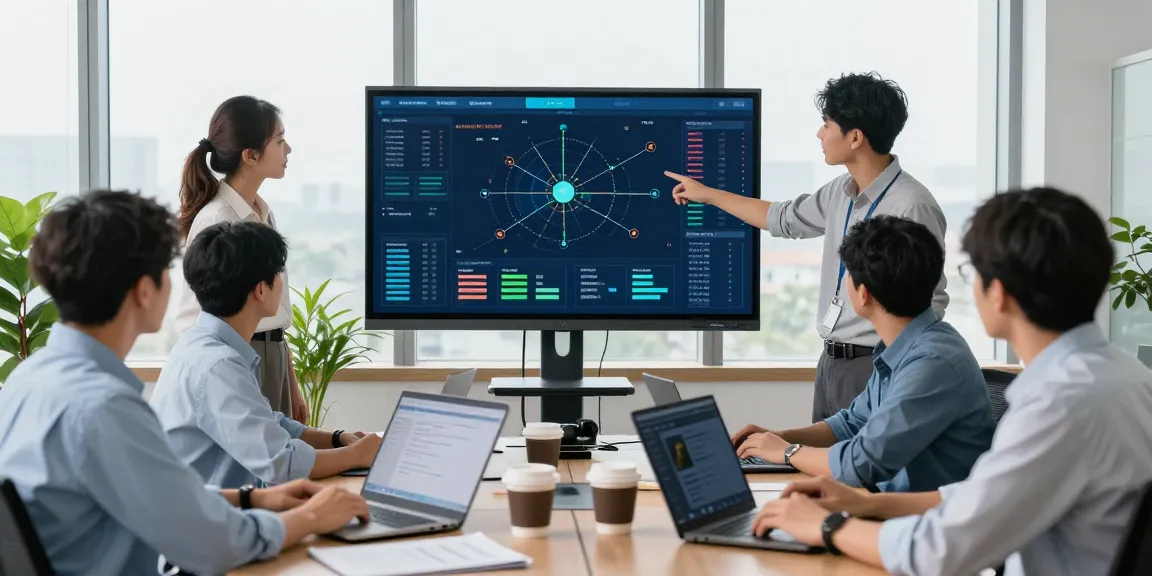
Understanding IT Support for Business Needs
In today’s fast-paced digital landscape, businesses of all sizes must navigate a myriad of technological challenges. IT support has evolved from simply fixing broken computers to a comprehensive service that anticipates and mitigates potential issues before they disrupt business operations. Proactive IT support not only enhances productivity but also ensures that your technology aligns with your broader business goals. For businesses exploring their options, it support for business is becoming increasingly essential for maintaining a competitive edge.
What is IT Support for Businesses?
IT support for businesses encompasses various services designed to facilitate the smooth operation of technology within an organization. This includes everything from helpdesk support and software management to network monitoring and cybersecurity measures. The primary objective is to ensure that IT infrastructure is reliable, secure, and supportive of the company’s operational needs. With the right IT support, businesses can focus on their core activities without worrying about technical glitches or security threats.
Common Challenges in IT Support
While the benefits of IT support are clear, many businesses face challenges in effectively utilizing these services. Common issues include:
- Limited Resources: Small to medium-sized enterprises (SMEs) often lack the budget to maintain in-house IT teams.
- Complexity of IT Systems: As companies grow, their IT systems become more complex, making management difficult.
- Cybersecurity Threats: Increased digital threats pose significant risks to business operations.
- Downtime: Unexpected downtime can lead to lost revenue and diminished customer trust.
Identifying Your Business IT Requirements
Before selecting an IT support package, businesses must carefully assess their specific needs. Important considerations include the size of the organization, the nature of the industry, compliance requirements, and existing technology infrastructure. Conducting a thorough IT assessment will help pinpoint gaps and areas for improvement.
Key Benefits of Proactive IT Support
Investing in proactive IT support provides numerous advantages that can significantly enhance business operations and minimize risks.
Enhancing Operational Efficiency
Proactive IT support ensures that systems are constantly monitored and maintained. By addressing potential issues before they escalate, businesses can operate more efficiently, reducing bottlenecks caused by technical failures. Moreover, a well-structured IT support system can streamline processes, improve collaboration, and enhance overall productivity.
Reducing Downtime and Technical Issues
One of the most critical benefits of proactive IT support is the reduction of downtime. By implementing real-time monitoring and automated alerts, IT support teams can identify and resolve issues before they affect end users. This proactive approach decreases the frequency and duration of technical problems, which, in turn, preserves valuable time and resources.
Cost-Effectiveness and Budgeting
While many businesses may hesitate to invest in IT support, the long-term savings can be substantial. Proactive IT management often leads to fewer disruptions and lower overall costs associated with IT failures. Furthermore, many IT support providers offer fixed monthly pricing models, making it easier for businesses to budget effectively without worrying about unexpected expenses.
Choosing the Right IT Support Package
When it comes to selecting an IT support package, businesses must consider various factors to ensure they choose the option that best meets their needs.
Essential IT Support Packages Explained
The landscape of IT support packages is diverse, catering to a range of requirements. Some of the essential packages include:
- Essential IT Support: Ideal for small businesses that require basic helpdesk assistance and monitoring without the expense of a full IT department.
- Professional RMM Support: For businesses that need more comprehensive support, including real-time monitoring and automated issue resolution.
- Enterprise Managed IT: Tailored for larger organizations with complex IT infrastructures, requiring dedicated engineering resources.
Comparing Managed IT vs. Co-Managed IT
Businesses must also decide between fully managed IT services and co-managed IT support. Managed IT services provide a complete outsourcing solution, while co-managed IT allows internal teams to collaborate with external IT providers. Evaluating which model fits your business structure and goals is crucial for maximizing IT investment.
Scalability and Future-Proofing IT Strategies
As your business grows, your IT needs will evolve. Choosing a scalable IT support package can help ensure that your technology can adapt to changing demands without requiring a complete overhaul. This flexibility is vital for sustainable growth and can often save costs in the long run.
Implementing RMM Technology for IT Support
Remote Monitoring and Management (RMM) technology has become a cornerstone of effective IT support, enabling proactive management of IT environments.
How RMM Solutions Work for Businesses
RMM solutions allow IT providers to remotely monitor, manage, and maintain systems. By collecting data on system performance and health, RMM tools can identify potential issues before they escalate. This leads to faster resolution times and improved overall system reliability.
Real-Time Monitoring and Incident Management
Real-time monitoring is a key component of RMM technology. It enables IT teams to respond to incidents quickly, ensuring minimal disruption to business operations. By utilizing incident management tools, organizations can streamline the resolution process and track the effectiveness of their IT support strategies.
Automated Maintenance and Updates
Automated maintenance reduces the burden on IT teams by scheduling routine tasks such as software updates, patch management, and backups. This automation not only increases efficiency but also ensures that systems remain secure and up to date.
Future Trends in IT Support for Businesses
The IT support landscape is constantly evolving, influenced by advancements in technology and the rising complexity of business operations. Here are some emerging trends that will shape the future of IT support.
Anticipating Cybersecurity Challenges in 2026
Cybersecurity will remain a top priority as threats continue to grow in sophistication. Businesses must invest in robust security measures and ensure their IT support includes proactive cybersecurity strategies to safeguard sensitive data.
The Role of AI in IT Support Services
Artificial Intelligence (AI) is increasingly being integrated into IT support, enhancing service delivery and efficiency. AI tools can analyze data patterns, predict system failures, and even automate routine tasks, allowing IT professionals to focus on more complex challenges.
Emerging Technologies and Best Practices
As technology continues to advance, businesses must stay informed about emerging tools and practices that can optimize their IT support. This includes adopting cloud solutions, exploring managed service options, and implementing best practices for IT governance.
How much do IT services cost for a small business?
The cost of IT services for small businesses can vary significantly based on the level of support required. Basic packages might start at around £40 per user per month, while more comprehensive managed services can reach upwards of £100 per user, depending on the range of services included.
How does IT support a business?
IT support is essential for maintaining operational efficiency by providing technical assistance, ensuring compliance, and protecting against cyber threats. It enables employees to focus on their core tasks while minimizing technological disruptions.
What should I look for in an IT support provider?
When evaluating IT support providers, consider factors such as their response times, range of services offered, expertise in your industry, and customer reviews. A provider that aligns well with your business needs will deliver the most value.
What is proactive IT support?
Proactive IT support involves anticipating and addressing potential issues before they affect your organization. This includes regular monitoring, timely maintenance, and strategic planning to enhance your IT environment’s resilience.
How to evaluate the effectiveness of IT support?
To evaluate the effectiveness of IT support, measure key performance indicators such as response times, issue resolution rates, downtime frequency, and user satisfaction. Regular reviews against these metrics will help ensure your IT support remains aligned with business goals.


