Understanding the Importance of Local Medical Supply Access
Access to medical supplies is a critical component of effective healthcare, especially for caregivers who assist individuals with varying medical needs. The ability to find a medical supply near me can significantly impact the quality of care provided. Whether it’s mobility aids, wound care products, or daily living aids, having these supplies readily available in the community streamlines the caregiving process. In this article, we will explore why local access to medical supplies is paramount, the common challenges caregivers face, and the vital role that community plays in ensuring these essentials are available when they’re needed most.
Why Local Medical Supply Matters for Caregivers?
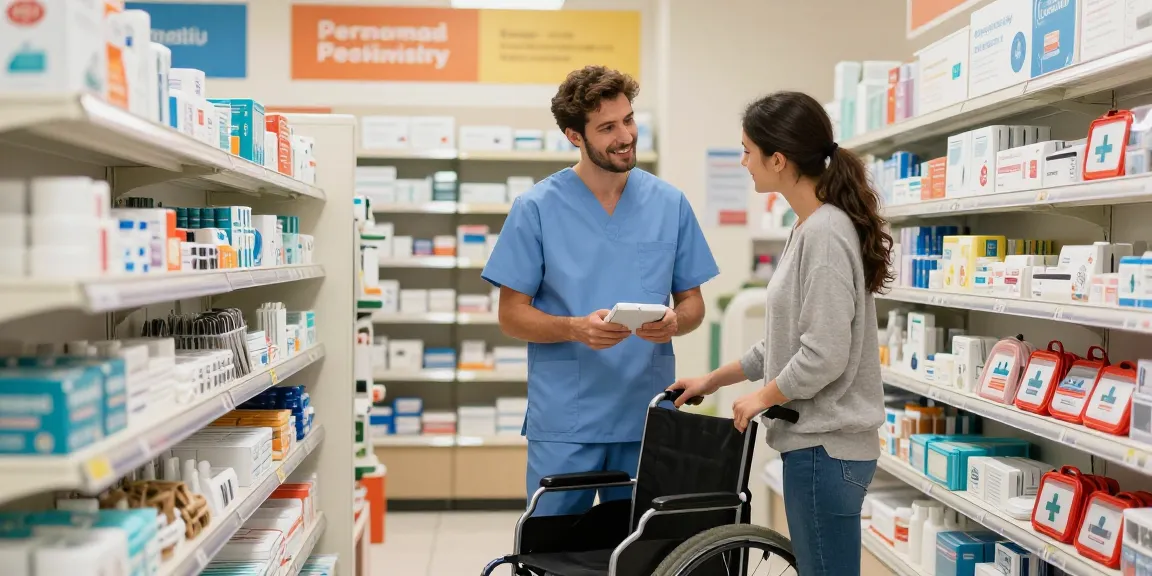
For caregivers, timely access to medical supplies can mean the difference between effective and inadequate care. Local medical supply stores often provide the necessary products that meet immediate needs, thereby avoiding delays that can arise from online orders or distant suppliers. This is crucial in scenarios where rapid intervention is necessary, such as in managing chronic conditions or during home rehabilitation.
Furthermore, local vendors typically offer personalized advice and support for caregivers unfamiliar with specific products. They can recommend supplies that suit both the patient’s needs and the caregiver’s budget, enhancing overall care effectiveness.
Common Challenges in Finding Medical Supplies Near You
Despite the importance of local access, caregivers often encounter several challenges when searching for medical supplies. These can include:
- Limited Availability: Not all local stores stock a comprehensive range of medical products, forcing caregivers to visit multiple locations.
- High Costs: Prices for medical supplies can vary widely, and without proper knowledge, caregivers may struggle to find affordable options.
- Lack of Information: It can be challenging to determine which local suppliers offer the best quality and service.
Addressing these challenges is essential for effective caregiving, and understanding the landscape of local medical supply access can empower caregivers to make informed decisions.
The Role of Community in Healthcare Supply Availability
Communities play a pivotal role in ensuring that medical supplies are accessible. Local healthcare partnerships, community health organizations, and collaborative efforts among suppliers can enhance the availability and distribution of essential supplies. Programs that focus on promoting local medical suppliers and fostering relationships within the healthcare community can bridge gaps and improve supply chains.
Moreover, community feedback and support can drive suppliers to stock more items that caregivers identify as necessary, thereby enhancing overall service quality in local healthcare.
Choosing the Right Medical Supplies: A Caregiver’s Guide
Selecting appropriate medical supplies is a crucial responsibility for caregivers. Understanding what supplies are essential and how to evaluate them ensures that caregivers provide the best possible care.
Essential Medical Supplies Every Caregiver Should Know
Every caregiver should be acquainted with a range of medical supplies, including:
- Mobility Aids: Canes, walkers, and wheelchairs.
- Wound Care Supplies: Bandages, antiseptics, and gauze.
- Daily Living Aids: Grab bars, shower chairs, and adaptive utensils.
- Monitoring Equipment: Blood pressure monitors, glucometers, and thermometers.
Familiarity with these items enables caregivers to respond effectively to their loved ones’ or clients’ needs.
How to Evaluate Quality and Reliability in Supplies
When selecting medical supplies, caregivers should consider several factors to assess quality and reliability:
- Brand Reputation: Established brands often offer tested durability and effectiveness.
- Certifications: Look for products certified by recognized health organizations.
- Reviews and Ratings: Customer feedback can provide insights into product performance.
By prioritizing quality, caregivers can ensure that the supplies they use will perform reliably in critical situations.
Frequently Overlooked Items That Make a Difference
While many caregivers know about commonly used medical supplies, several often-overlooked items can significantly enhance caregiving efficiency:
- Incontinence Products: Essential for managing urinary issues, providing comfort and dignity.
- Patient Lifts: Facilitate safe transfers, reducing the risk of injury for both caregiver and patient.
- Compression Stockings: Important for patients with circulatory issues, helping to prevent blood clots.
Recognizing these items can empower caregivers to provide comprehensive support.
Best Practices for Sourcing Medical Supplies Effectively
Effective sourcing of medical supplies requires strategic planning and a keen understanding of available resources. Here are best practices caregivers can adopt.
Tips for Navigating Local Supply Stores
When visiting local supply stores, consider the following tips:
- Do Your Research: Check ahead for stock availability and product specifics.
- Ask Questions: Engage with staff to gain insights and recommendations.
- Bring a Checklist: Keep a list of needed items to avoid oversights.
These strategies can help ensure that caregivers leave with all necessary supplies in hand.
Understanding Pricing and Insurance Considerations
Pricing varies significantly across different suppliers, and understanding insurance coverage is crucial for caregivers. Many insurance plans partially cover medical supplies, but this can be complex:
- Check Your Coverage: Review your insurance policy to understand what is covered.
- Compare Prices: Shop around to find the most competitive pricing, especially for bulk orders.
- Look for Discounts: Some local suppliers offer discounts for bulk purchases or frequent customers.
Being informed can save money and ensure that caregivers can secure necessary items without burdening their finances.
Building Relationships with Local Suppliers
Developing a good rapport with local suppliers can provide ongoing benefits. Frequent communication can lead to:
- Personalized Recommendations: Suppliers can help identify supplies suited for specific needs.
- Early Alerts on New Products: Stay informed about new products that could aid caregiving.
- Potential Discounts: Frequent purchases may lead to loyalty rewards and discounts.
Long-term relationships can enhance the caregiver’s ability to access vital supplies more efficiently.
Emerging Trends in Medical Supplies for 2026 and Beyond
As technology rapidly evolves, the medical supplies landscape is expected to undergo significant changes. Here are some trends caregivers should watch for:
Technological Advances in Medical Equipment
The medical supply industry is experiencing innovation through technology, leading to the development of smarter, more user-friendly equipment:
- Bluetooth-Enabled Devices: Equipment that can connect to smartphones for easier monitoring.
- Wearable Health Tech: Devices that track patients’ vitals continuously, offering real-time data.
- Telehealth Integration: Supplies that facilitate remote consultations, broadening access to care.
These advancements can enhance caregiving capabilities and improve patient outcomes.
Health Supply Innovations from Local Manufacturers
With a growing focus on local sourcing, many manufacturers are developing innovative products tailored to community needs. This trend fosters:
- Localized Solutions: Equipment designed specifically for the demographics and health concerns of the community.
- Sustainability: Eco-friendly products that reduce waste while meeting health standards.
- Improved Accessibility: Increased availability of supplies that cater to diverse populations, including those with disabilities.
Supporting local manufacturers not only fosters community growth but also provides caregivers with innovative tools for effective care.
Predictions for Local Supply Chain Changes in Healthcare
Local supply chains are expected to evolve significantly by 2026, driven by technological, economic, and social trends. Potential changes include:
- Increased Demand for Local Production: A shift towards sourcing supplies locally to reduce delays.
- Enhanced Distribution Networks: Improved logistics to ensure timely delivery of essential products.
- Stronger Collaboration: Partnerships between healthcare providers and suppliers for better resource allocation.
These changes will provide caregivers with more reliable access to necessary supplies.
Resources for Caregivers: Finding Support and Information
Caregivers often require additional resources and support to navigate the complexities of medical supply procurement. Here are some valuable resources:
Online Platforms for Local Medical Supply Listings
Numerous online platforms aggregate information on local medical suppliers, providing caregivers with easy access to listings and reviews. Websites that focus on local healthcare resources are invaluable for finding quality vendors in your area.
Community Resources for Caregiver Support
Many communities offer support groups and training sessions for caregivers. These resources can provide essential emotional support, share best practices, and connect caregivers with essential services.
FAQs: Where to Find Reliable Medical Supplies Near Me?
When searching for reliable medical supplies, consider the following questions:
- What types of medical supplies are essential for caregivers? Mobility aids, wound care products, and daily living aids are crucial.
- How can I assess the quality of medical supplies at local stores? Check brand reputation, certifications, and customer reviews.
- What are the benefits of buying from local suppliers? Personalized service, immediate access, and support for the local economy.
- How do I ensure I’m getting the best prices for medical supplies? Compare prices, check your insurance, and look for discounts.
- What trends should caregivers look out for in medical supplies in 2026? Innovations in technology, localized solutions from manufacturers, and changes in supply chains.
These resources and insights equip caregivers to effectively meet their medical supply needs, ensuring they can deliver the best possible care.