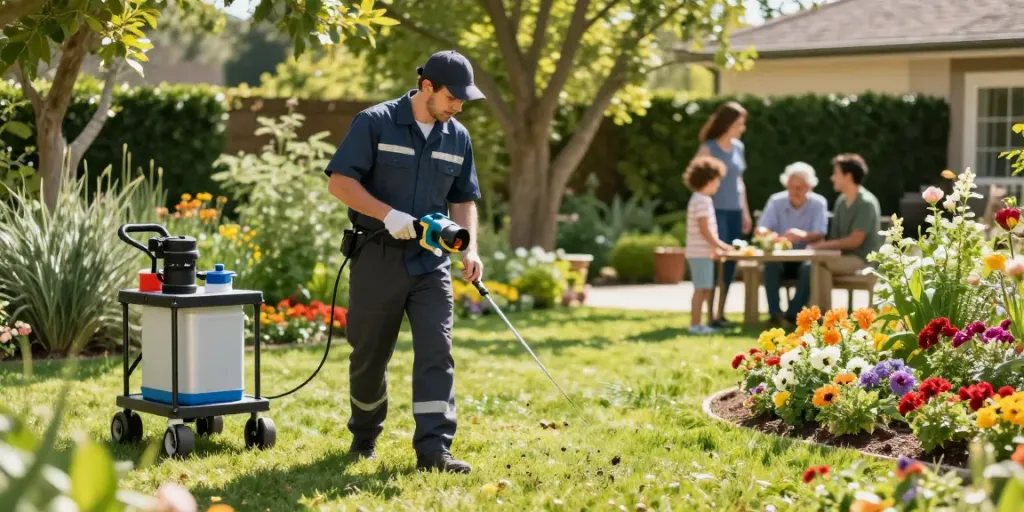
Understanding Pest Control: The Fundamentals
Pest control is an essential aspect of maintaining a healthy living environment. As urbanization increases, so does the prevalence of pests that can invade homes and businesses, causing damage and posing health risks. Understanding the fundamentals of Pest control provides homeowners and property managers with the essential knowledge needed to protect their spaces effectively.
What is Pest Control?
Pest control refers to the process of managing or eliminating pests that threaten human health or damage property. It encompasses a variety of strategies, from simple preventative measures to advanced treatment options that require professional intervention. The core aim of pest control is to reduce the presence and activity of pests, which include insects, rodents, and other organisms that can disrupt our daily lives.
The Importance of Pest Control in Residential Areas
The significance of pest control in residential areas cannot be overstated. Pests such as rodents, termites, and mosquitoes not only threaten the structural integrity of homes but also introduce various health issues. For instance, rodents can carry diseases, while termites can lead to severe property damage if left untreated. Regular pest control services can help maintain a safe and healthy living environment.
Types of Pests Commonly Found in Urban Settings
Urban areas are hotspots for various pests due to the density of human activity and the availability of food and shelter. Common pests found in cities include:
- Ants: These social insects often invade homes in search of food.
- Roaches: Known for their resilience, cockroaches can thrive in various environments.
- Termites: Silent destroyers that can cause extensive damage to wooden structures.
- Rodents: Mice and rats are common pests that can contaminate food and spread diseases.
- Bed Bugs: A growing concern in urban living, bed bugs can cause discomfort and distress.
Identifying the Need for Professional Pest Control Services
Recognizing the signs that you need professional pest control services is crucial for maintaining a pest-free environment. Early intervention can often prevent more significant problems down the line.
Signs Your Home Needs Pest Control
Homeowners should be vigilant for several key indicators that pests might be invading their homes. These include:
- Frequent sightings of pests, such as insects or rodents.
- Strange noises in walls or ceilings, often indicative of hidden pests.
- Visible signs of damage, such as gnawed cables, wood shavings, or droppings.
- Unexplained bites or skin irritations on family members or pets.
Common Misconceptions About DIY Pest Control
Many homeowners consider DIY pest control to save money, but there are several misconceptions associated with this approach. One common belief is that over-the-counter products are as effective as professional treatments. However, pests may develop resistance to commonly used chemicals, making them ineffective over time. Additionally, improper application may expose family members and pets to harmful chemicals.
When to Call in the Experts?
Understanding when to call in a pest control expert is vital. If the infestation is widespread, if you are dealing with pests that pose significant health risks, or if previous DIY efforts have failed, it is time to seek professional help. Experts can assess the situation and provide targeted treatments that are often more effective than general pest control measures.
Choosing the Right Pest Control Solution for Your Home
Not all pest control solutions are created equal. It's essential to choose the right approach based on your specific needs, pest problems, and environmental concerns.
Comparing Chemical vs. Organic Pest Control Methods
When considering pest control options, two primary methods dominate the conversation: chemical and organic. Chemical methods involve the use of synthetic pesticides, which can be effective but may have environmental and health repercussions. Organic methods, on the other hand, utilize natural products to manage pests, often making them safer for families and pets. Each method has its benefits and drawbacks, and the choice often depends on the severity of the pest issue and personal preferences regarding chemicals in and around the home.
Top Pest Control Products Recommended for 2026
As pest control technology evolves, new products entering the market promise more effective results. In 2026, consider these highly recommended pest control products:
- Advion Ant Gel: A leading product for ant control that attracts and kills common ant species.
- EcoSMART Organic Insect Killer: An all-natural spray effective against a variety of pests.
- Termidor SC: A professional-grade termiticide known for its long-lasting protection.
- Hot Shot Bed Bug and Flea Killer: A powerful solution for treating bed bug infestations quickly.
Understanding the Costs of Pest Control Services
The cost of pest control services can vary widely based on several factors, including the type of pests, the size of the infestation, and the methods used. On average, homeowners can expect to pay between $100 to $300 for initial treatments. Ongoing maintenance plans may cost more but can provide peace of mind by ensuring regular inspections and treatments.
Best Practices for Maintaining a Pest-Free Home
Preventative measures are essential in keeping pests at bay. By adopting a proactive approach, you can significantly reduce the likelihood of infestations.
Preventative Measures to Deter Pests
Implementing simple preventative measures can effectively deter pests from entering your home:
- Seal cracks and crevices around doors and windows.
- Keep food stored in airtight containers.
- Regularly clean outdoor spaces, such as yards and patios, to eliminate potential breeding grounds.
- Remove standing water to prevent mosquito breeding.
Seasonal Considerations for Pest Management
Different seasons bring different pests. Understanding seasonal pest behavior can help you take preemptive steps:
- Spring: As temperatures rise, ants and termites become active. Schedule inspections to ensure early detection.
- Summer: Mosquitoes and ticks thrive in warm weather. Use repellents and eliminate standing water.
- Fall: Rodents seek warm shelter for the winter. Check for entry points and seal them off.
- Winter: Pests will try to enter your home for warmth. Keep basements and attics properly insulated and sealed.
Long-Term Benefits of Regular Pest Control
Investing in regular pest control not only provides immediate benefits but also long-term advantages, including:
- Prevention of costly damage to property.
- Reduction of health risks associated with pest infestations.
- Improved peace of mind for homeowners about their living environment.
Future Trends in Pest Control: What to Expect in 2026 and Beyond
The future of pest control looks promising, with innovations aimed at making pest management more effective and environmentally friendly.
Innovative Technologies in Pest Control
Emerging technologies are set to revolutionize the pest control industry. Innovations like smart traps equipped with sensors will allow for real-time monitoring and data collection. This will enable pest control companies to respond more quickly and effectively to infestations.
Emerging Environmental Considerations
With growing awareness of environmental issues, more pest control companies are shifting towards sustainable practices. This includes using eco-friendly products and methods that minimize harm to beneficial insects and the ecosystem.
Expert Predictions for the Future of Pest Management
Experts predict that pest control will increasingly focus on prevention and integrated pest management (IPM) strategies that combine biological, cultural, physical, and chemical tools. This holistic approach will not only address pest problems but also enhance the natural resilience of ecosystems.
What are the most common pests in homes?
The most common pests in homes include ants, cockroaches, rodents, termites, and bed bugs. Each of these pests presents unique challenges and potential harm to your living space.
How often should I schedule pest control services?
The frequency of pest control services often depends on the level of infestation and the type of pests. For preventive measures, quarterly treatments are generally recommended. For active infestations, more frequent interventions may be necessary.
Are organic pest control methods effective?
Yes, organic pest control methods can be effective, particularly for minor infestations. However, for more severe issues, chemical treatments may provide faster results. Combining both methods often yields the best outcomes.
What should I do before a pest control treatment?
Before a pest control treatment, it's advisable to clear out items from the area being treated, remove pets, and discuss any concerns with the pest control technician to ensure the safety and effectiveness of the treatment.
How can I find a reliable pest control service?
Finding a reliable pest control service involves research. Look for companies with positive reviews, appropriate licenses, and insurance. Obtain multiple quotes and ask about their treatment methods to ensure you choose the best fit for your needs.