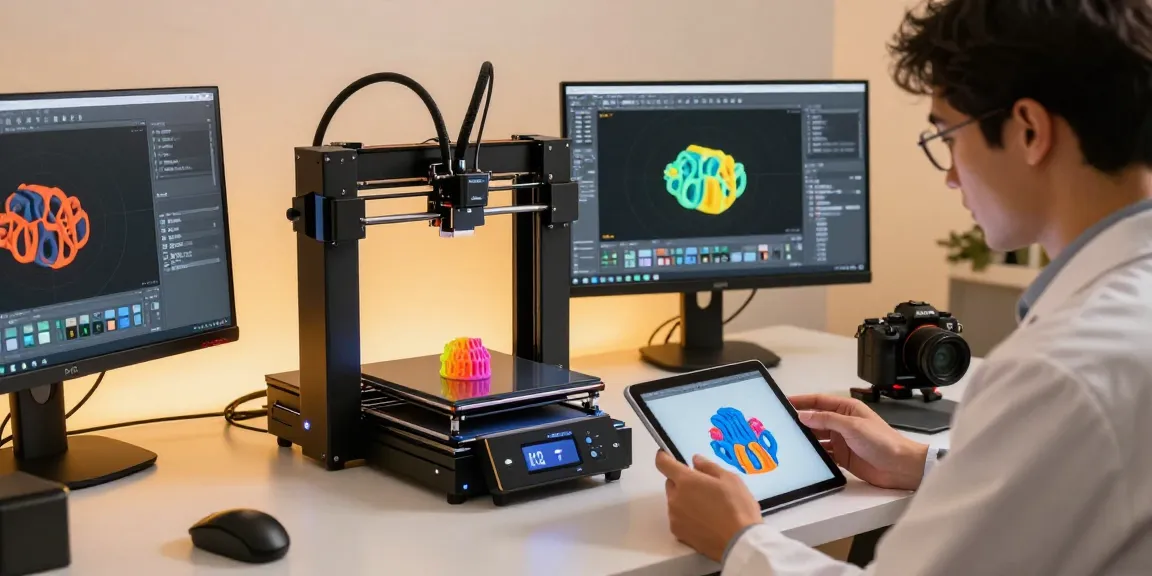
Understanding 3D Printer Technology
As we delve into the realm of 3D printing, one is easily captivated by the array of possibilities that this technology presents. Whether you are a hobbyist looking to explore your creative potential or a business seeking to streamline production, understanding 3D printer technology is crucial to making informed choices. The market has seen rapid advancements, leading to highly sophisticated machines such as the Creality K2 Plus and its combo options, which stand as examples of innovation and reliability. When exploring options, Best value 3D printer models combine affordability with performance, catering to various user needs.
What Makes a 3D Printer Stand Out?
The standout features of a 3D printer often dictate its appropriateness for different applications. Important characteristics include print volume, print speed, precision, and compatibility with various materials. Advanced features such as dual extrusion capabilities and auto-bed leveling provide significant advantages, making some printers preferable over others. For instance, the Creality K2 Plus excels in these areas, making it a well-rounded choice for both beginners and professionals.
Key Features of the Best Value 3D Printers
- Build Size: A larger build volume allows for more extensive projects without the need for assembly.
- Print Accuracy: Higher precision results in better final products, which is crucial for detailed designs.
- Speed: Faster print times increase productivity, especially in commercial environments.
- Material Versatility: The ability to use various materials expands the printer’s application range.
- User-Friendly Interface: Intuitive controls and software ease the learning curve for novice users.
How to Assess Print Quality and Speed
When evaluating a 3D printer, both print quality and speed are essential considerations. Print quality can be assessed through various metrics such as layer adhesion, surface finish, and dimensional accuracy. Users often refer to benchmark prints to gauge a printer’s capabilities. On the other hand, print speed is typically measured in millimeters per second (mm/s). An effective printer should strike a balance between the two; high speed is desirable, but not at the expense of quality. The K2 Plus is designed to offer competitive speed without compromising the integrity of the prints.
Comparative Analysis of 3D Printers
The 3D printing market is continually evolving, with new models emerging each year to meet user demands. A comparative analysis can provide valuable insights into which printers offer the best performance for your investment.
Top 3D Printers in 2026: A Comparative Overview
As of 2026, several models are vying for the title of best 3D printer. Notable among them are the Creality K2 Plus and its competitors, which are distinguished by their specifications and user reviews. Factors such as reliability, ease of use, and the support ecosystem surrounding the printer often play pivotal roles in buyer decisions. Reviews from forums and professional sites can inform potential buyers about real-world performance and customer experiences.
Price vs Performance: What to Consider
Price and performance are the two sides of the same coin in the selection of a 3D printer. Buyers should consider their budget in relation to the intended use of the printer. Cheaper models may save initial costs but could lead to higher ongoing expenses due to the need for repairs, replacement parts, or substandard print output. Conversely, investing in higher-end models like the K2 Plus can provide long-term savings through durable, high-quality prints.
Market Trends in 3D Printing Technology
2026 showcases various trends in 3D printing, including an increasing focus on sustainability, with manufacturers opting for eco-friendly materials and practices. The rise of modular designs allows users to upgrade specific components without purchasing an entirely new printer. Moreover, innovations in software integration have enabled easier workflow automation, making 3D printing accessible to a broader audience, including small businesses and educational institutions.
3D Printing Materials and Techniques
The choice of material is crucial for achieving the desired print quality and functionality in 3D printing. The latest innovations in filament production and composite materials have significantly impacted the types of projects that can be accomplished.
Best Filaments for High-Quality Prints
- PLA (Polylactic Acid): Easy to print and environmentally friendly; ideal for beginners.
- ABS (Acrylonitrile Butadiene Styrene): Strong and durable; suited for functional prototypes.
- PETG (Polyethylene Terephthalate Glycol): Combines ease of use with strength and is resistant to moisture.
- CPLA (Composite PLA): Enhanced PLA that includes composite materials for better performance.
New Innovations in 3D Printing Materials
Recent advancements, particularly in eco-friendly materials, have made a substantial impact on 3D printing. Bio-based plastics and recycled filaments are gaining popularity, aligning 3D printing practices with sustainability goals. Innovations in materials like nylon composites expand design possibilities while enhancing strength and durability.
How Material Choice Affects Final Output Quality
The material selected for a 3D print can greatly influence the final product’s appearance, flexibility, and structural integrity. For instance, using PLA for decorative models results in excellent surface finish, while ABS may be preferred for functional parts due to its resilience. Understanding the properties of each material is essential for optimizing print outcomes.
Integrating 3D Printing into Your Workflow
Integrating 3D printing into existing workflows can enhance product design and development processes significantly, but it requires careful consideration and planning.
How to Optimize Your 3D Printing Process
To optimize 3D printing processes, it is essential to streamline design to print workflows. This can be achieved through proper slicing software configuration, which translates 3D models into printer-readable formats. Recognizing the importance of hardware and firmware updates is crucial, as these can provide performance improvements and enhance compatibility with various printing materials.
Tips for Seamless Software Integration
Integrating software systems can dramatically improve efficiency in additive manufacturing processes. Cloud-based solutions allow designers to store, manage, and share files, facilitating collaboration among team members. Open-source software provides customization options, enabling users to tailor their workflows to specific project needs.
Leveraging Cloud Platforms for 3D Printing Projects
Cloud computing has opened new avenues for 3D printing projects by offering scalable resources and storage options. Users can run simulations, test designs, and even tap into remote printing services, thus broadening the scope of what can be achieved. Utilizing cloud platforms can ensure projects remain flexible and accessible, regardless of physical location.
Common Mistakes in 3D Printing
Identifying and avoiding common pitfalls can help new users capitalize on their 3D printing investments, ensuring a smoother journey in their 3D printing endeavors.
Avoiding Missteps When Choosing a 3D Printer
One common mistake is neglecting to assess the specific needs of your projects before purchasing a printer. Buyers should ask themselves about the types of prints they intend to produce and match those needs with appropriate printer specifications. Also, underestimating the total cost of ownership, including material, maintenance, and operational costs, can lead to unanticipated challenges later on.
Top Troubleshooting Tips for New Users
New users often face various hurdles, such as warping or adhesion issues. These can often be mitigated by ensuring the print bed is leveled correctly and the first layer adheres properly. Regular maintenance of the printer, including nozzle cleaning and calibration, is vital for sustained performance.
How to Maintain Your 3D Printer for Longevity
Proper maintenance practices, such as routinely checking firmware updates, cleaning components, and replacing worn parts, can significantly extend the lifespan of a 3D printer. Ensuring that printers are kept in environments with stable temperature and humidity levels also contributes to optimal performance.
FAQs About 3D Printing
What is the Best Value 3D Printer for Beginners?
The best value 3D printer for beginners typically combines affordability with ease of use. Models like the K2 Plus are praised for their user-friendly features, making them ideal for newcomers to the technology.
How Can I Improve My 3D Printing Skills?
Improving 3D printing skills involves practice and experimentation. Users can benefit from joining online communities, experimenting with different materials, and continuously refining their techniques through trial and error.
What Are the Benefits of Upgrading My 3D Printer?
Upgrading a 3D printer can lead to improved print quality, faster production times, and expanded material compatibility. Advanced printers often come equipped with features that simplify the printing process and enhance the overall user experience.